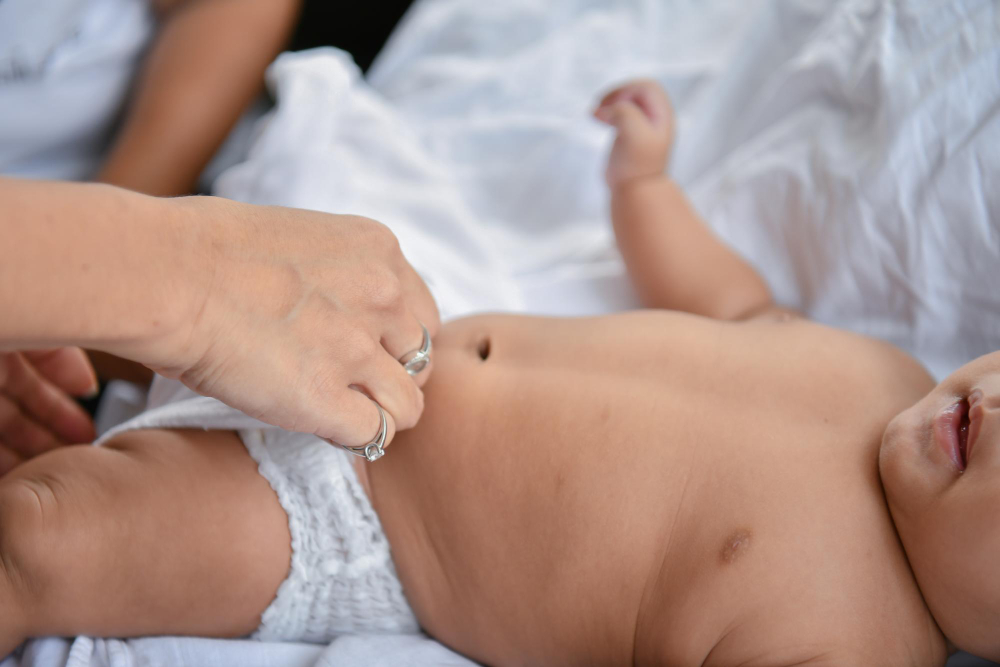
What is Hydrocele in Children?
Hydrocele in children is a condition where fluid collects in the sac around a boy’s testicle. Usually, this causes swelling in the scrotum. Most often, hydroceles are painless and harmless. However, they can worry parents. Hydroceles are common in newborn boys. In many cases, they go away on their own within the first year. Still, it is important to know the signs and when to seek help.
Common Signs and Symptoms
Often, hydrocele in children does not cause pain. But, there are some signs you can watch for. Early detection helps ensure proper care. Look for these symptoms:
Sometimes, the swelling may be more noticeable when your child cries or strains. However, if you see redness, pain, or fever, seek medical help right away.
Causes and Risk Factors
Hydrocele in children often develops before birth. During pregnancy, a baby’s testicles move down from the belly into the scrotum. A small sac of fluid comes with them. Normally, this fluid is absorbed after birth. But sometimes, the fluid stays or the sac does not close. This leads to a hydrocele.
There are two main types:
Although most cases are not linked to injury, sometimes trauma or infection can cause a hydrocele. Premature babies have a higher risk. Family history may also play a role.
Diagnosis of Hydrocele in Children
Doctors can often diagnose hydrocele in children with a simple exam. First, they will check the scrotum for swelling. Next, they may shine a light through the scrotum. If the swelling is filled with fluid, the light will pass through. This is called transillumination. Sometimes, doctors may order an ultrasound to rule out other problems. Blood tests are rarely needed. According to the American Urological Association, most cases are easy to diagnose without special tests.
Treatment Options
In many cases, treatment for hydrocele in kids is not needed. Most hydroceles in infants go away by age one. However, doctors may suggest surgery if:
Surgery is simple and safe. The doctor makes a small cut in the groin to remove the fluid and close the sac. Children usually recover quickly. According to the Centers for Disease Control and Prevention (CDC), , surgery has a high success rate and low risk of problems.
Home Care and When to See a Doctor
While waiting for the hydrocele to go away, you can help your child feel comfortable. For example, dress your child in loose clothes. Avoid rough play that could hurt the area. Watch for any changes in the swelling.
See a doctor if you notice:
Early care can prevent problems. If you are unsure, it is always best to ask your doctor.
Prevention and Outlook
There is no sure way to prevent hydrocele in children. Most cases are present at birth and not caused by anything parents did. However, regular check-ups help catch any issues early. The outlook for children with hydrocele is very good. Most recover fully, especially with proper care. Surgery, if needed, is safe and effective. With early attention, children can return to normal activities quickly.
If you notice signs of hydrocele in your child, consult a pediatric urologist for personalized advice.